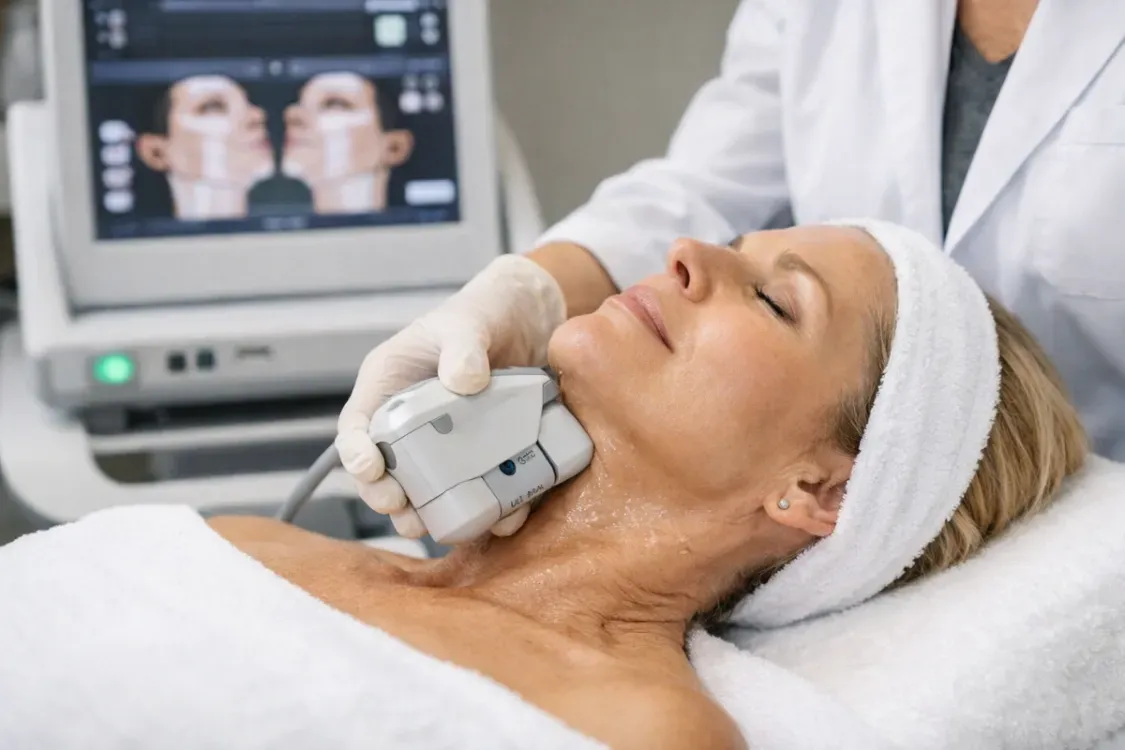
Tightening Loose Skin Using Non-Invasive Ulthera Techniques
Loose, sagging skin often starts subtly. A softer jawline in photos, cheeks that feel less lifted, or skin around the lower face and neck that does not sit the way it used to. This is often the stage where patients want to act early, but without surgery, downtime, or results that look obvious.
That is where Ultherapy skin tightening becomes a smart option. Many patients ask if they can improve skin laxity without changing their natural features. With the right treatment, the answer is yes. Ulthera works by stimulating collagen deeper within the skin to create a gradual, refined lift. In this blog, we will explain how it works, who it suits best, what it can treat, and what kind of results you can realistically expect.
What Is Ulthera and Why Is It Used for Loose Skin?
Ulthera, often referred to as Ultherapy, is an advanced ultrasound-based treatment used to lift and tighten skin by stimulating collagen production in deeper structural layers. Unlike many treatments that focus only on the surface, Ulthera targets deeper tissue planes where skin support naturally weakens with age.
As we get older, collagen and elastin begin to decline. This affects the skin’s ability to stay firm, resilient, and lifted. The result can be:
Early jowling
Softer jawline definition
Mild to moderate cheek descent
Neck laxity
Brow heaviness
Fine creasing due to loss of skin support
This is where a non-invasive loose skin treatment can make a real difference, especially when the goal is to improve support gradually without surgery or injectables being the first step.
Ulthera uses focused ultrasound energy to create precise thermal points at controlled depths under the skin. This process triggers the body’s natural wound-healing response, which stimulates new collagen formation over time. The outcome is not an instant artificial lift. Instead, it is a progressive improvement in firmness, contour, and skin support.
How Ulthera Works: The Science Behind the Lift
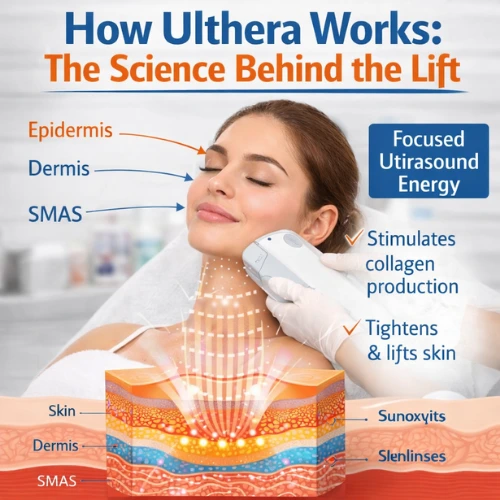
One of the reasons Ulthera stands out is that it is not simply a “facial.” It is a collagen-remodelling procedure.
The treatment uses microfocused ultrasound with visualisation (MFU-V), which allows the practitioner to see the tissue layers being treated in real time. This matters because precision is everything when working with lifting technologies. When energy is delivered at the correct depth, it can stimulate the structural support layers of the skin without damaging the surface.
What happens during treatment?
Ulthera delivers focused ultrasound energy at specific depths, commonly including:
Superficial dermis
Deep dermis
SMAS layer (the foundational support layer often addressed in surgical facelifts)
This controlled heating causes collagen fibres to contract and stimulates new collagen production over the following weeks and months.
That is why many patients choose it as an Ulthera non-surgical facelift option when they want a subtle, natural improvement in skin laxity but are not looking for surgery.
Why ultrasound and not just heat?
Unlike some radiofrequency-based treatments that work well for skin quality and mild tightening, ultrasound can reach deeper tissue planes with more precision. That makes Ulthera especially useful for:
Lifting the brow area
Improving early jowling
Tightening under the chin
Enhancing lower face definition
Supporting the neck
This is not about changing your features. It is about restoring support where the skin has started to soften.
Who Is a Good Candidate for Ulthera?
Ulthera is best suited for patients with mild to moderate skin laxity. In simple terms, it works best when the skin has started to droop, but not to the point where surgery is the only realistic option.
You may be a good candidate if you notice:
Early sagging along the jawline
Loss of facial contour
Mild looseness under the chin
Brows looking heavier or lower than before
Neck skin starting to feel less firm
Skin that looks “tired” or less supported despite good skincare
It may be especially useful for:
Patients in their 30s to 50s who want prevention plus correction
Patients who want to tighten sagging skin without surgery
Patients who prefer gradual, natural-looking improvement
Patients who do not want downtime
Patients who want a treatment that works beneath the surface, not just on texture
When Ulthera may not be enough
It is equally important to be realistic. If there is significant excess skin, advanced jowling, or heavy tissue descent, Ulthera may improve firmness but may not create a dramatic lift. In such cases, a detailed consultation is essential. Sometimes the best outcomes come from combining treatments or choosing a different approach based on the degree of laxity, skin thickness, facial structure, and age-related changes.
This is why expert assessment matters more than trends.
Which Areas Can Ulthera Treat?
Ulthera is commonly used in areas where early structural support loss becomes visible.
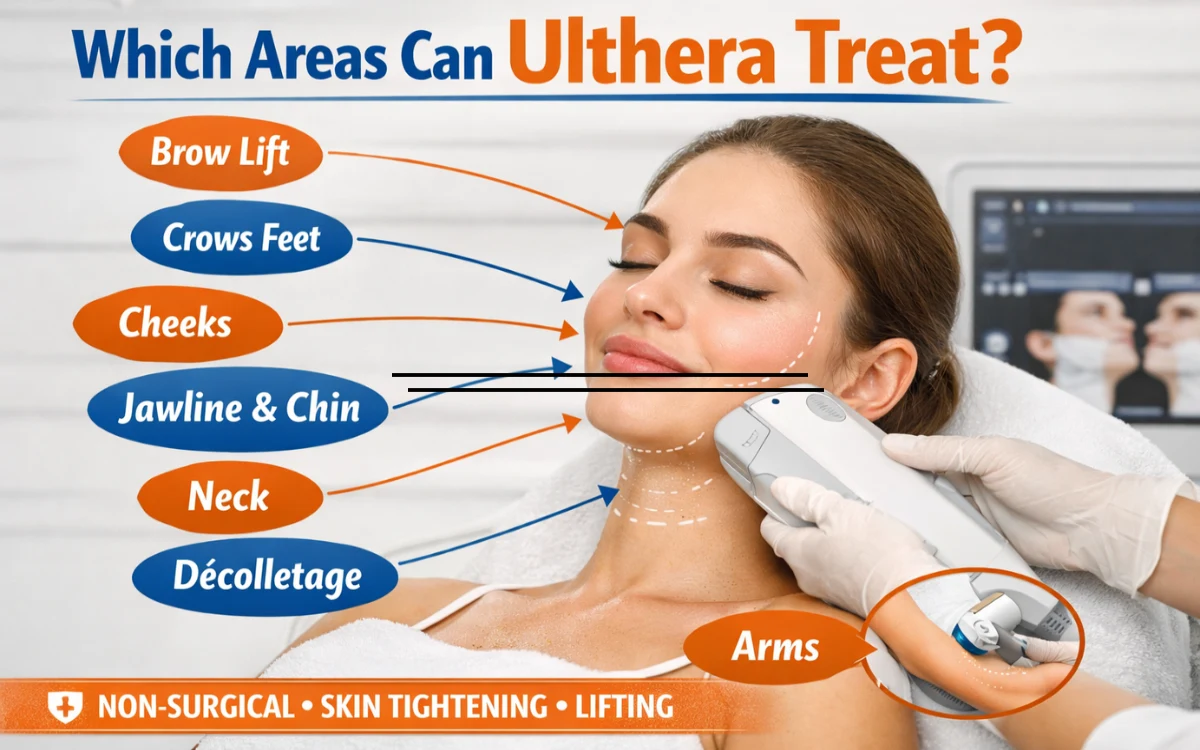
Common treatment areas include:
1. Lower Face and Jawline
This is one of the most requested areas. When the jawline starts to blur or early jowls appear, Ulthera can help improve support and definition over time.
2. Under Chin
Mild laxity beneath the chin can make the lower face look heavier. Ulthera can help improve skin firmness in this area when there is early looseness rather than significant fat.
3. Neck
The neck often shows ageing early. Fine creasing, soft folds, and mild looseness may respond well to collagen stimulation.
4. Brow Area
Ulthera is also used to create a subtle brow lift by tightening the skin above the brow. This can make the eye area look fresher and more open without surgery.
5. Décolletage
In selected patients, Ulthera may also be used to improve fine lines and skin quality in the upper chest area.
What to Expect During the Procedure
A lot of patients worry that “non-invasive” means easy, but every energy-based treatment has a different feel.
During your appointment:
The skin is assessed and marked carefully
Ultrasound gel is applied
The handpiece is used to deliver energy in planned treatment lines
Different depths may be used depending on the area and concern
How long does it take?
Treatment time can vary depending on the area:
Brow: shorter sessions
Lower face and neck: usually longer
Full face + neck: may take 60–90 minutes or more
Is it painful?
Patients usually describe it as brief moments of heat, tingling, or deeper discomfort when the energy is delivered. Sensitivity varies from person to person. Comfort measures can be planned depending on the treatment area and patient tolerance.
The good news is that there is usually minimal downtime. Mild redness, tenderness, or temporary swelling can happen, but most patients return to routine activities soon after treatment.
When Will You See Results?
This is one of the most important expectations to set correctly.
Ulthera is not a same-day transformation treatment. It is a collagen-building treatment.
Timeline of improvement:
Some patients notice mild early firmness within a few weeks
More visible improvement often develops over 2–3 months
Collagen remodelling may continue for up to 6 months
This gradual timeline is actually one of the reasons many patients like it. The face does not suddenly look “done.” It simply starts to look firmer, more supported, and more refreshed over time.
When discussing Ultherapy before and after results, the best outcomes are usually seen in patients who:
Have realistic expectations
Have mild to moderate laxity
Are treated with the correct technique
Maintain skin quality with a good long-term plan
Before-and-after changes are often subtle but meaningful. Think improved jawline crispness, better brow support, tighter neck appearance, and an overall more rested facial structure.
How Long Do Results Last?
Results vary depending on:
Age
Baseline collagen levels
Degree of laxity
Lifestyle factors
Skin quality
Weight fluctuations
Whether other treatments are combined
In many patients, results can last around a year or longer, though ageing continues naturally. Some patients choose maintenance sessions based on how their skin responds and their long-term goals.
Ulthera is often best viewed as part of a collagen maintenance strategy, not a one-time miracle procedure.
Can Ulthera Be Combined with Other Treatments?
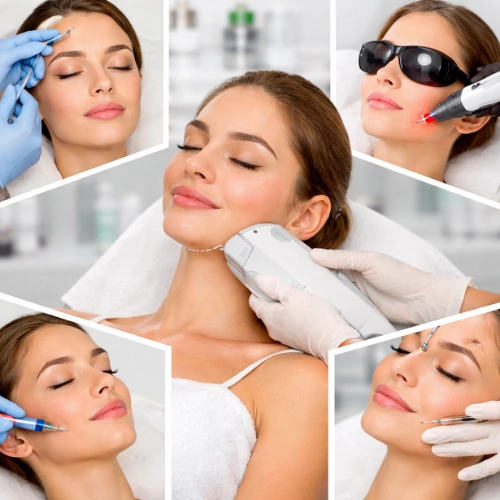
Yes, and in many cases, combination planning leads to better overall results.
Ulthera addresses deeper lifting and support, but skin ageing is rarely caused by one issue alone. A patient may also have:
Volume loss
Surface texture changes
Pigmentation
Fine lines
Reduced elasticity
Skin thinning
Depending on the clinical assessment, Ulthera may be combined with other treatments over time, such as:
Skin boosters
Biostimulators
Microneedling RF
Laser treatments
Medical-grade skincare
The key is timing and proper sequencing. Not every patient needs everything. The best treatment plan is the one that matches the actual cause of the concern, not just the visible symptom.
Why Expert Assessment Matters with Ulthera
This is where many patients make mistakes. They assume every tightening treatment does the same thing. It does not.
The success of Ulthera depends on:
Correct patient selection
Understanding facial anatomy
Choosing the right treatment depths
Knowing when not to use it
Setting realistic expectations
Integrating it into a broader anti-ageing strategy when needed
A patient with mild skin laxity and strong bone structure may do very well with Ulthera alone. A patient with volume loss and more advanced tissue descent may need a different plan. That is why consultation matters more than the machine name.
It is to assess what your skin actually needs and guide you toward a treatment plan that looks natural, medically sound, and aligned with your goals.
Final Thoughts: A Smarter Way to Treat Early Skin Laxity
Utherapy is not about changing your face; it’s about supporting your skin early, before laxity becomes more noticeable, so you can maintain a natural and refined appearance.
If you’re starting to notice early jowling, softening in the lower face, or neck laxity, the best step is a proper assessment. Dr. Mayur Bhobe creates personalized Ultherapy treatment plans in Dubai based on your skin quality, degree of laxity, and long-term goals.
To find out if Ultherapy is right for you, book a consultation today, contact @+971 507 256 753

