Laser Therapy for Genital Warts: What Men Should Know
Not every skin concern is easy to talk about, especially when it affects intimate areas. Laser treatment for genital warts for men brings more than just physical discomfort. They often come with embarrassment, anxiety, and hesitation, which is why treatment is delayed more often than it should be. The truth is, genital warts are common, treatable, and nothing to feel ashamed about.
The sooner genital warts are evaluated, the easier it is to plan the right treatment and reduce the risk of spread, recurrence, irritation, or transmission.
What Are Genital Warts?
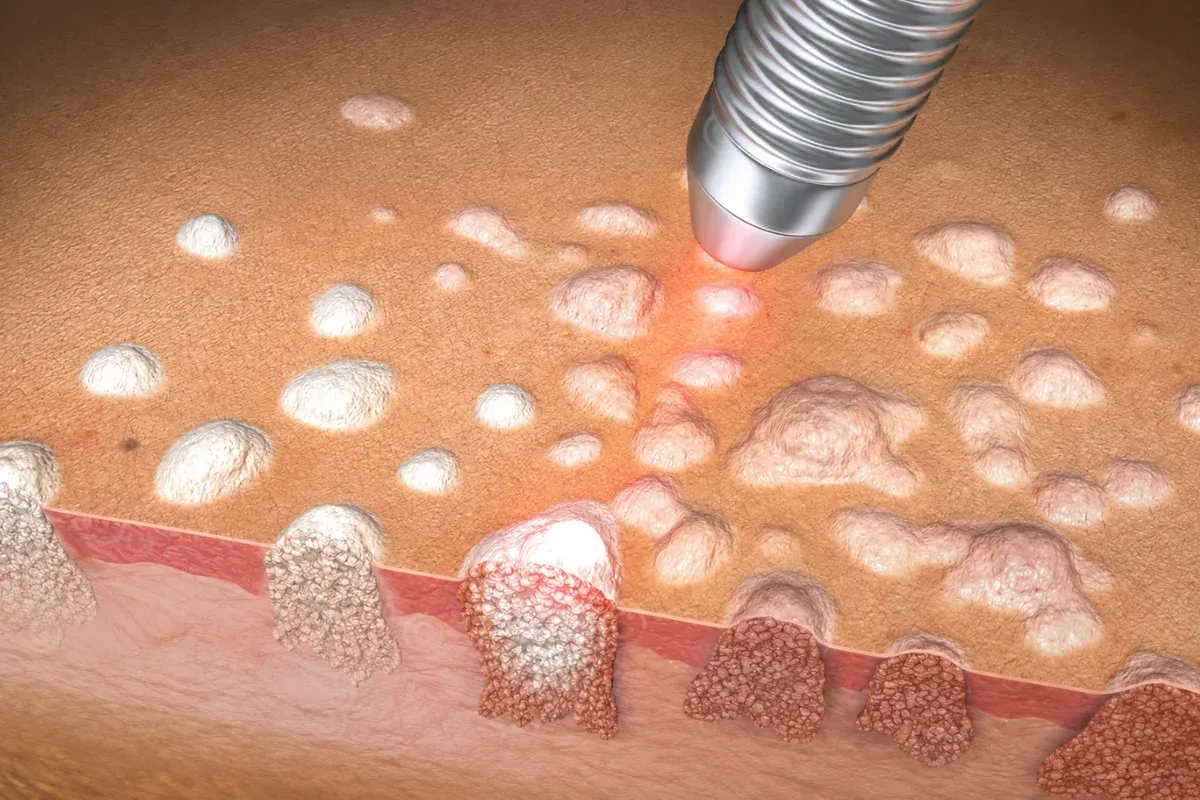
Genital warts are small growths or bumps that appear in the genital or surrounding skin area due to infection with certain strains of the human papillomavirus (HPV).
They may appear on:
The shaft of the penis
Around the base of the penis
The pubic area
The scrotum
The groin folds
Around the anus or perianal region
Occasionally in nearby skin zones exposed during contact
They can look like:
Small raised bumps
Flat or slightly elevated lesions
Smooth or rough-surfaced growths
Single isolated lesions
Multiple clustered lesions
Tiny wart-like spots that gradually increase
Some are obvious.
Some are subtle.
Some stay small for a while, while others spread or cluster over time.
Why Men Often Delay Treatment
This is extremely common.
Many men delay treatment because:
They feel embarrassed
They are not sure if the lesion is a wart
They think it may go away on its own
They fear judgement
They assume it is only cosmetic
They worry the treatment will be painful
They do not realise the lesions can spread or recur
The problem is that genital warts are not just a cosmetic issue.
If left untreated, they may:
Increase in number
Grow in size
Spread to nearby skin
Irritate friction
Create anxiety during intimacy
Increase the chance of transmission to a partner
Become harder to treat if more extensive
That is why early diagnosis matters.
Are Genital Warts Dangerous?
In most cases, genital warts themselves are not dangerous, but they should still be medically assessed.
They are usually caused by low-risk HPV strains, commonly types 6 and 11, which are linked more to visible warts than to cancer risk.
However, that does not mean every bump in the genital area should be assumed to be harmless.
A proper clinical diagnosis is important because not every genital lesion is a wart. Some bumps may be:
Skin tags
Molluscum contagiosum
Pearly penile papules
Folliculitis
Sebaceous prominence
Irritation-related lesions
Other dermatological or sexually transmitted conditions
This is why men should avoid self-diagnosing intimate lesions based only on internet images.
Why Laser Is Often Considered for Genital Warts
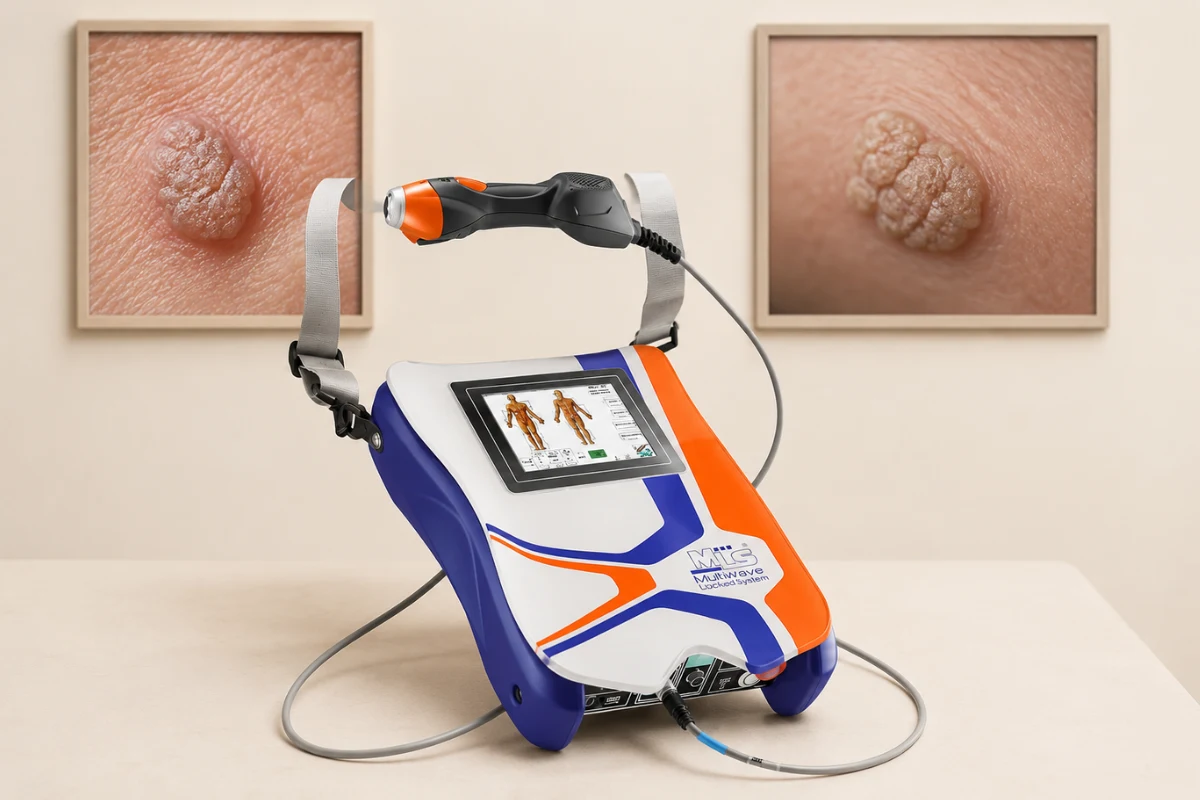
There are several ways genital warts can be treated, including:
Topical prescription solutions
Chemical destruction methods
Cryotherapy (freezing)
Electrocautery
Surgical removal in selected cases
Laser-based removal
Laser treatment is often chosen when the goal is precision, especially in sensitive or difficult areas.
This is where laser treatment for genital warts in men becomes highly relevant, particularly when lesions are:
Multiple
Persistent
Recurrent
Located in delicate areas
Not responding well to other methods
Better managed with targeted tissue removal
Laser allows the dermatologist to treat visible lesions with a focused approach while minimising unnecessary damage to surrounding skin when done correctly.
How Does Laser Treatment Work for Genital Warts?
Laser treatment uses controlled energy to precisely target and destroy wart tissue.
The goal is to:
Remove the visible wart
Reduce the bulk of infected tissue in the treated lesion
Improve clearance in difficult areas
Treat lesions with controlled precision
This is why laser therapy for HPV warts is often considered when patients need a more directed procedural option rather than relying only on creams or repeated surface treatments.
What makes lasers useful in this area?
The genital area is sensitive, curved, mobile, and sometimes difficult to treat with broad or imprecise methods. Laser can help by:
Treating small or clustered lesions accurately
Accessing delicate zones more precisely
Limiting unnecessary injury to surrounding tissue
Offering better control in selected anatomical areas
It is important to remember that laser removes visible lesions, but HPV can remain in nearby tissue microscopically. That is why follow-up matters, and why no treatment can guarantee zero recurrence.
Who Is a Good Candidate for Laser Removal?
Laser is not always the first option for every patient, but it is often an excellent option in selected cases.
You may be a good candidate if:
You have visible genital warts confirmed by a dermatologist
The lesions are multiple or clustered
They are in sensitive areas where precision matters
Previous treatments have failed
You want a clinic-based procedural option
The lesions are recurrent
You want faster physical clearance of visible warts compared to waiting on topical response
This is where male genital warts laser treatment can be especially helpful for men who want a structured, doctor-led treatment plan rather than repeated trial-and-error with home or pharmacy-based options.
What Happens During the Procedure?
One of the biggest fears men have is not knowing what to expect.
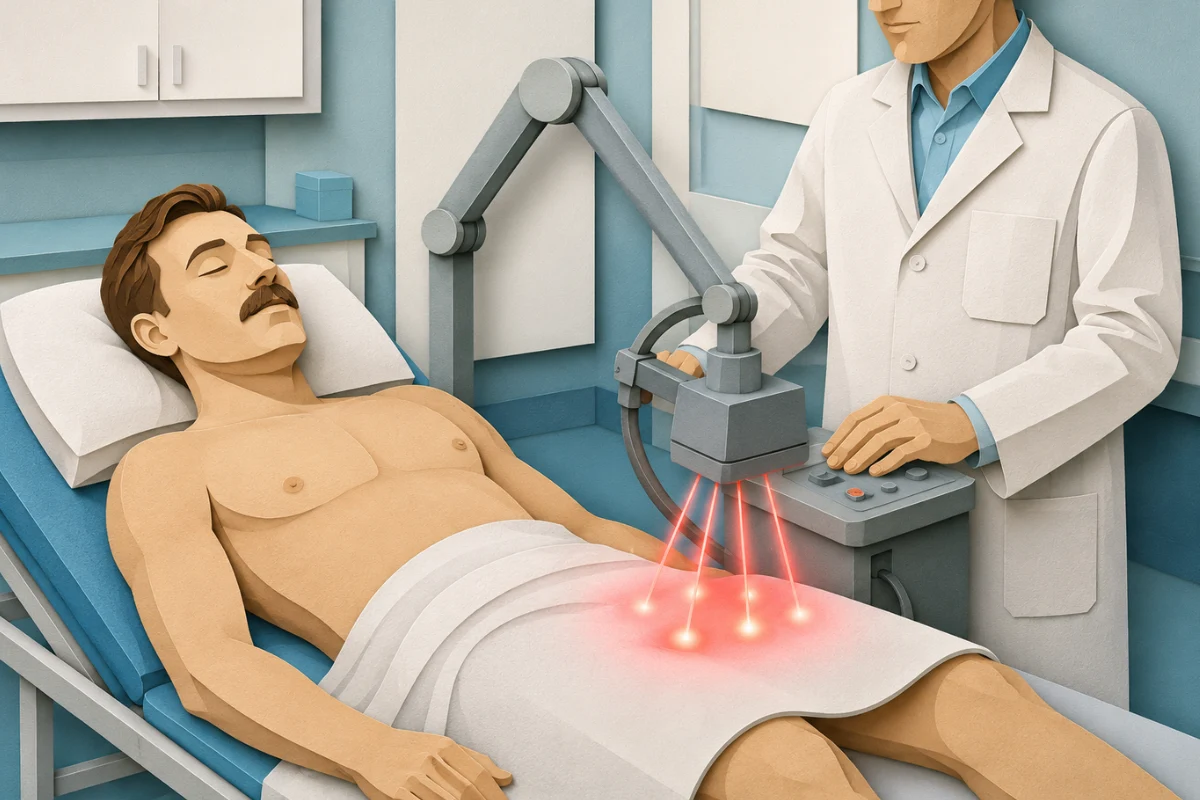
The good news is that laser wart treatment is usually straightforward when done in an experienced dermatology setting.
A typical appointment may include:
1. Examination and Diagnosis
The doctor first confirms that the lesions are actually genital warts and not another skin condition.
2. Area Preparation
The treatment area is cleaned carefully.
3. Anaesthesia or Numbing
Depending on the size, number, and location of the lesions, local anaesthesia or numbing methods may be used to improve comfort.
4. Laser Application
The laser is used to target each visible lesion with controlled precision.
5. Post-Treatment Instructions
You will receive guidance on hygiene, friction avoidance, sexual precautions, and follow-up.
Is it painful?
Because the genital area is sensitive, discomfort varies by patient and by lesion location. However, appropriate numbing or local anaesthesia usually makes the procedure much more manageable.
Most patients tolerate it well when expectations are explained clearly beforehand.
What Is Recovery Like After Laser Treatment?
Recovery depends on:
Number of lesions treated
Location
Depth of treatment
Skin sensitivity
Friction in the area
Whether there are recurrent or clustered lesions
Common short-term effects may include:
Mild redness
Tenderness
Swelling
Surface rawness or treated spots
Temporary discomfort during healing
Mild scabbing in treated areas
These effects are usually expected and temporary.
During recovery, patients are usually advised to:
Keep the area clean and dry as instructed
Avoid friction or trauma
Avoid sexual activity for the advised period
Avoid shaving or irritating the area until healed
Follow medication or topical care guidance if prescribed
Attend follow-up if new lesions appear
Healing time varies, but proper aftercare is essential for comfort and better recovery.
Does Laser Completely Cure HPV?
This is one of the most important questions, and it needs an honest answer.
Laser removes visible genital warts. It does not “cure” HPV from the body in a guaranteed absolute sense.
HPV is a viral infection, and while the immune system often clears or suppresses it over time, the visible wart is only one part of the picture.
That means:
The visible wart can be removed
The treated lesion can heal well
The appearance may improve quickly
But recurrence is still possible
This is why follow-up matters.
It is also why doctors often explain that the goal is:
Remove visible lesions effectively
Reduce lesion burden
Improve comfort and confidence
Lower the risk of spread
Monitor for recurrence early
This is what makes effective laser genital wart removal a realistic goal, even though it should not be marketed as a permanent one-time guarantee in every case.
Can Genital Warts Come Back After Laser?
Yes, they can.
This does not always mean the procedure failed.
Recurrence may happen because:
HPV may still be present in nearby skin
Microscopic lesions may not have been visible yet
The immune system has not fully suppressed the virus
New lesions may emerge after the initial treatment
The chance of recurrence varies from person to person.
Factors that may influence recurrence include:
Smoking
Immune health
Stress
Extent of initial lesions
Delay in treatment
Reinfection or exposure
Incomplete follow-up
This is why patients should be monitored, especially in the months after treatment.
Important Things Men Should Know Beyond the Procedure
1. Do Not Self-Treat Genital Lesions
Over-the-counter wart products meant for hands or feet should not be used on genital skin unless specifically prescribed and guided. They can cause burns, irritation, and misdiagnosis.
2. Your Partner May Need Awareness or Evaluation
Because genital warts are related to HPV transmission, partner awareness matters. This should be handled sensitively and medically, not with panic.
3. HPV Vaccination Still Matters
In many cases, HPV vaccination can still be valuable depending on age, sexual history, and medical advice. It does not treat existing warts, but it may help reduce future risk from certain strains.
4. Follow-Up Is Part of Treatment
Do not assume the issue is “done” just because the visible wart is gone. Review if any new lesions appear.
Final Thoughts
Genital warts are more common than most people realise, but the stress often comes from embarrassment and silence. The good news is that they are highly treatable. Early diagnosis and proper treatment can make the process simpler, reduce the risk of spreading, and help you move forward with confidence.
If you’ve noticed any bumps, wart-like growths, or unusual lesions in the genital area, don’t wait or self-treat in silence. Confidential and expert care is available.
To book a private consultation with Dr Mayur Bhobe in Dubai, contact +971 507 256 753.

