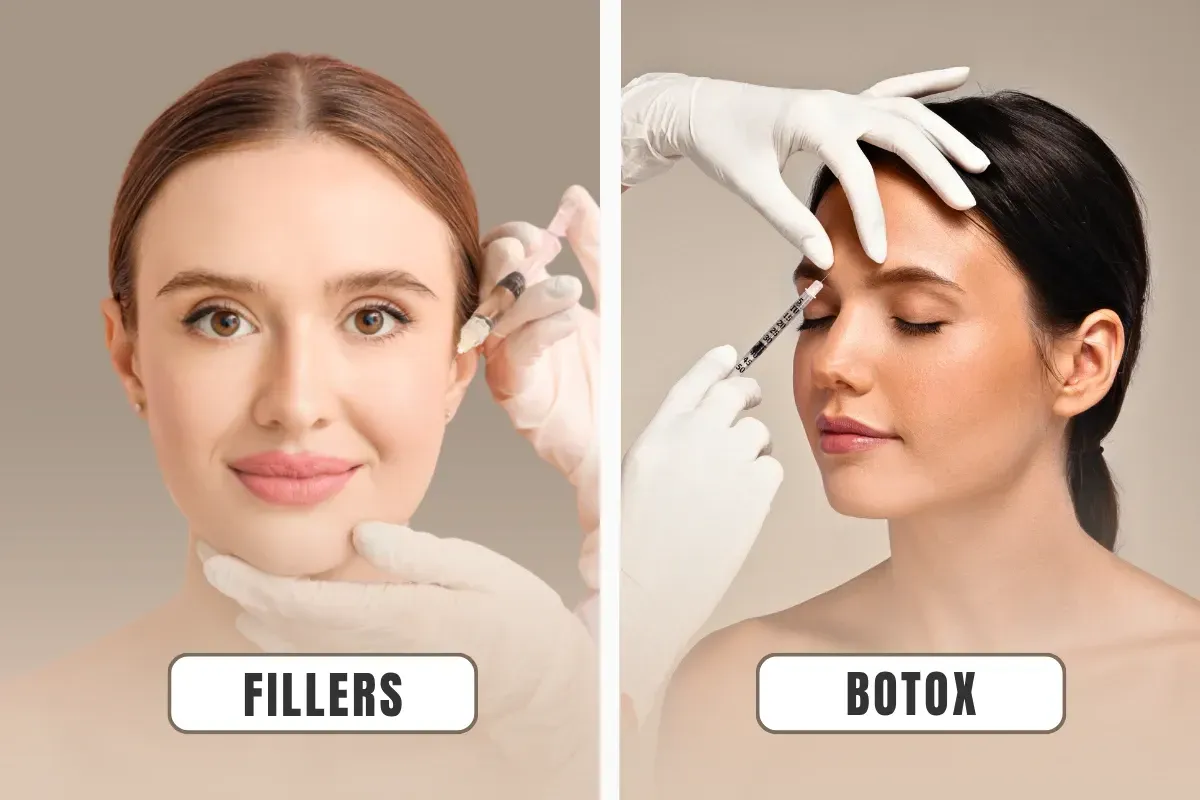
Dermal Fillers vs Botox: What's the Difference? | Dubai
Botox and dermal fillers are two of the most popular non-surgical aesthetic treatments, but they do very different things.
If you're considering facial rejuvenation in Dubai, you may have questions such as: Should I choose Botox or fillers? Which treatment is better for wrinkles? Do fillers add volume? Does Botox work for all types of lines?
The answer depends on what you want to improve.
In simple terms, Botox works by temporarily relaxing specific facial muscles, while dermal fillers add volume beneath the skin to smooth or restore areas that have lost fullness. They are not interchangeable treatments, although a qualified medical professional may sometimes recommend using them as part of an overall treatment plan.
Understanding the difference between Botox and fillers can help you have a more informed conversation with your doctor before deciding on treatment.
What Is Botox?
Botox is a brand name commonly used to describe treatments using botulinum toxin. It is an injectable medicine that temporarily reduces muscle activity.
When certain facial muscles repeatedly contract, they can contribute to dynamic wrinkles, such as frown lines between the eyebrows, forehead lines, and crow's feet around the eyes.
By relaxing selected muscles, botulinum toxin can make these lines appear softer.
The treatment does not add volume to the skin. Instead, it changes the movement of targeted muscles.
Results are generally not immediate. Many people begin noticing improvement within several days, with results commonly lasting around three to four months, although this can vary.
What Are Dermal Fillers?

Dermal fillers are injectable gel-like materials placed beneath the skin to restore or add volume and improve the appearance of certain facial areas.
Depending on the product and treatment area, fillers may be used to enhance areas such as the cheeks, lips, chin, or other areas where volume has been lost or where specific lines or contours are being treated.
Many commonly used fillers contain hyaluronic acid, a substance naturally found in the body. Other filler materials are also available, and their duration and properties vary.
Unlike Botox, fillers do not work by relaxing muscles. Their primary purpose is to provide structural support or volume beneath the skin.
Botox vs Dermal Fillers: The Main Difference
The easiest way to understand Botox vs dermal fillers is to consider what is causing the appearance you want to improve.
Botox targets muscle movement.
Dermal fillers target volume loss and facial contours.
For example, if you have lines that become more noticeable when you frown or smile, Botox may be considered because muscle movement contributes to those lines.
If the concern is loss of facial volume or a hollow appearance, a filler may be more appropriate.
This is why there isn't one treatment that is universally "better."
Fillers vs Botox in Dubai: Which One Do You Need?
If you're searching for fillers vs Botox in Dubai, the right treatment depends on your facial anatomy, skin, concerns, medical history, and desired outcome.
Botox may be considered for:
Forehead lines
Frown lines between the eyebrows
Crow's feet
Certain other expression-related lines
Some medical conditions, such as excessive sweating, when clinically appropriate
Botulinum toxin is designed to temporarily reduce the activity of targeted muscles.
Dermal fillers may be considered for:
Loss of cheek volume
Lip enhancement
Certain facial folds and lines
Certain areas affected by age-related volume loss
The specific filler used and the area treated matter because different products have different properties and approved uses.
Botox Does Not "Fill" Wrinkles
One common misconception is that Botox physically fills a wrinkle.
It does not.
Botulinum toxin reduces muscle contraction. When the underlying muscle moves less, certain dynamic lines can appear softer.
This makes Botox particularly relevant for wrinkles associated with repeated facial expressions.
However, not every wrinkle is primarily caused by muscle movement. Some lines are related to skin quality, sun exposure, volume loss, or changes in facial structure. In these situations, another treatment may be more appropriate.
Fillers Do Not Relax Facial Muscles
Dermal fillers work differently.
They are placed under the skin to create volume or support in selected areas. The result can help restore fullness or improve certain facial contours.
For example, age-related volume loss in the cheeks can change the overall appearance of the face. A suitable filler may be used to restore some of that volume.
The goal should be a balanced result rather than simply adding as much volume as possible.
How Long Do Botox and Fillers Last?
Neither treatment should generally be considered permanent.
Botulinum toxin commonly lasts around three to four months, although individual results vary.
Dermal filler longevity varies considerably depending on the material used, treatment area, product characteristics, and individual factors. Many commonly used fillers are temporary because the body gradually breaks them down and absorbs them.
Your doctor should explain how long you might reasonably expect the specific treatment to last rather than promising an exact duration.
Are Botox and Fillers Safe?

Both treatments can be performed safely when appropriately selected and administered by qualified medical professionals, but neither is completely risk-free.
Botulinum toxin injections can cause temporary effects such as pain, swelling, bruising, facial weakness, eyelid or brow drooping. Rarely, more serious effects can occur.
Dermal fillers can cause swelling, bruising, tenderness, redness, and other reactions. Although uncommon, filler injected into a blood vessel can cause serious complications, including tissue damage and vision problems.
This is why aesthetic injections should be treated as medical procedures, not simply beauty treatments.
Why Choosing the Right Doctor Matters
The experience and training of the person performing an injectable treatment are important.
A qualified doctor should understand facial anatomy, injection techniques, product characteristics, possible complications, and how to manage an adverse reaction.
The American Academy of Dermatology recommends having botulinum toxin and filler treatments performed by appropriately trained medical professionals rather than in non-medical settings.
For patients in Dubai, this is particularly important given the wide range of aesthetic clinics and treatment options available.
Before treatment, ask your doctor:
What treatment is being recommended and why?
Which product will be used?
What results should I realistically expect?
How long are the results likely to last?
What are the possible side effects?
What happens if a complication occurs?
How experienced are you with this treatment?
Is the treatment appropriate for my medical history?
A proper consultation should come before the injection.
Can You Have Botox and Fillers Together?
In some cases, doctors may recommend both treatments because they address different aspects of facial ageing.
For example, Botox may be used to reduce the appearance of certain expression-related lines, while filler may be considered for volume loss.
However, combining treatments is not automatically better.
The decision should be based on your facial anatomy, treatment goals, medical history, and the clinician's assessment. The safety and appropriateness of combining procedures can depend on the specific products and treatment plan.
Botox vs Fillers: Which Gives More Natural Results?
Both can produce natural-looking results when used appropriately.
The goal of modern aesthetic treatment is generally not to completely change a person's appearance. Instead, treatment can be planned to soften specific concerns while maintaining normal facial movement and proportions.
With Botox, excessive treatment can reduce facial movement more than intended.
With fillers, excessive volume can create an unnatural or overfilled appearance.
A conservative, personalised approach is therefore often preferable to treating every visible line or adding volume indiscriminately.
Which Treatment Is Right for You?

There is no universal answer to Botox vs dermal fillers.
If your main concern is dynamic wrinkles caused by repeated muscle movement, Botox may be considered.
If your concern involves facial volume loss or certain contours, dermal fillers may be more appropriate.
In some cases, neither treatment may be the best first option.
Your skin condition, age, facial anatomy, previous procedures, medications, allergies, pregnancy status, and expectations should all be considered before treatment.
A consultation with a qualified aesthetic or dermatology professional can help determine the safest and most appropriate option.
The Bottom Line
The difference between Botox and fillers comes down largely to how they work.
Botox temporarily reduces targeted muscle activity, while dermal fillers add volume or support beneath the skin.
Neither is automatically better. The right choice depends on whether the concern is primarily related to muscle movement, volume loss, facial contour, or skin changes.
If you're considering fillers vs Botox in Dubai, avoid choosing a treatment based solely on price, social media trends, or someone else's results. A proper medical consultation is the best way to determine whether treatment is suitable for you and what approach is most likely to produce a safe, balanced result.
Frequently Asked Questions
1. What is the difference between Botox and dermal fillers?
The main difference between Botox and fillers is how they work. Botox temporarily relaxes targeted muscles that contribute to dynamic wrinkles, while dermal fillers add volume beneath the skin and can help restore fullness or improve certain facial contours.
2. Which is better, Botox or dermal fillers?
Neither treatment is universally better. Botox vs dermal fillers depends on the concern being treated. Botox may be more suitable for certain expression-related lines, while fillers may be considered for volume loss or specific facial contours.
3. How long do Botox and dermal fillers last?
Botox results commonly last around three to four months, although this varies between individuals. Filler longevity depends on the product, treatment area, and individual factors, with many fillers producing temporary results.
4. Can Botox and fillers be used together?
They can sometimes be used as part of the same overall aesthetic treatment plan because they address different concerns. However, the decision should be made by a qualified medical professional after assessing your facial anatomy, medical history, and treatment goals.
5. Are Botox and dermal fillers safe?
Both procedures have potential risks and side effects. Botox may cause temporary bruising, swelling, facial weakness, or eyelid/brow drooping. Fillers can cause swelling and bruising, while rare but serious complications can occur if filler enters a blood vessel.
6. How do I choose between Botox and fillers in Dubai?
Start with a consultation with a qualified medical professional experienced in aesthetic injections. They can assess your concerns and determine whether Botox, dermal fillers, another treatment, or no injectable treatment is appropriate for you.

