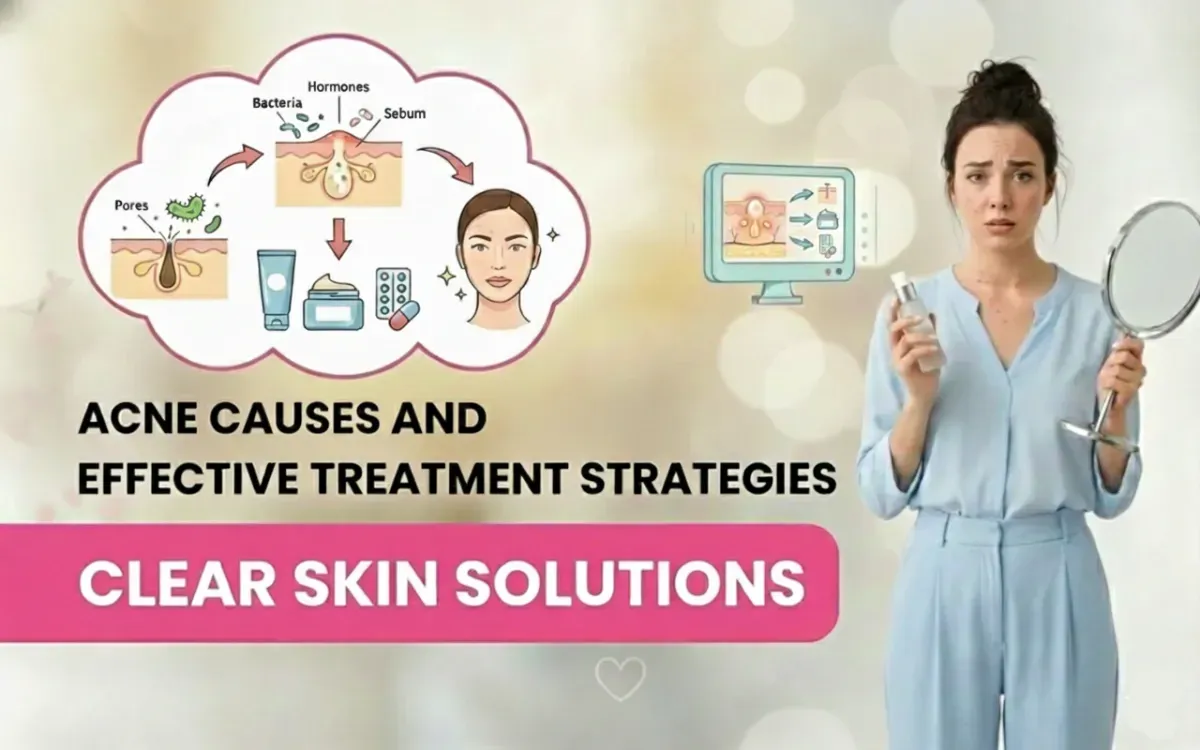
Understanding Acne Causes and Effective Treatment Strategies
Acne is one of the most common skin conditions worldwide, affecting teenagers, young adults, and even people well into their thirties and forties. For some, it may appear as the occasional pimple that clears quickly, but for others, it can develop into a persistent and often painful problem. Understanding the underlying acne causes is essential for anyone who wants not only to clear breakouts but also to prevent them from recurring.
In Dubai, where the hot climate, high humidity, and daily exposure to dust and pollution put additional stress on the skin, acne can become particularly difficult to manage without expert help. While countless products claim to be the best acne treatment, effective solutions usually require a tailored approach guided by a dermatologist. This article explores the science of acne, common causes, proven treatment strategies, and how professional care can make all the difference.
What Causes Acne?

Acne forms when pores get clogged with oil, dead skin cells, and bacteria.
Main triggers include:
Excess sebum (oil) production – overstimulated oil glands block pores.
Hormonal changes – puberty, pregnancy, menstrual cycles, or stress hormones.
Genetics – family history increases susceptibility.
Lifestyle factors – poor diet, stress, or lack of sleep.
Environmental triggers in Dubai – heat, humidity, and pollutants worsen breakouts.
This combination leads to inflammation, resulting in blackheads, whiteheads, pimples, or even painful cysts.
Types of Acne
Not all acne looks the same. Recognising the type helps guide treatment.
Comedonal acne: blackheads and whiteheads, non-inflammatory.
Papules & pustules: red, inflamed pimples, sometimes filled with pus.
Nodules & cysts: deeper, painful lesions that often scar if untreated.
A dermatologist tailors treatment based on acne type and severity.
Why Over-the-Counter Products Often Fail
Most pharmacy creams and scrubs:
Only dry out surface pimples (leaving deeper ones untouched).
Strip the skin barrier, leading to irritation and more breakouts.
Provide temporary relief but don’t address underlying causes (like hormones or bacteria).
This is why many patients feel stuck in a cycle of trial and error. Dermatological care treats acne at the source and prevents scarring.
Effective Acne Treatment Strategies

Medical options:
Topical treatments (retinoids, benzoyl peroxide, salicylic acid) – unclog pores, regulate oil, and reduce bacteria.
Oral medications (antibiotics, hormonal therapies, isotretinoin) – for moderate to severe acne.
In-clinic procedures:
Chemical peels – exfoliate, clear pores, and reduce pigmentation.
Laser & light therapies – kill bacteria, calm inflammation, and boost healing.
Cortisone injections – shrink painful cysts within days.
Lifestyle adjustments:
Balanced diet, low in processed sugar and excess dairy.
Adequate hydration and regular sleep.
Stress management through exercise or relaxation.
Consistency is key—results take time, but sticking to the plan ensures lasting improvement.
How to Prevent Acne
While some triggers such as hormones or genetics cannot be avoided, there are steps that can reduce the risk of flare-ups. Gentle cleansing twice daily helps keep pores clear without stripping the skin. Using non-comedogenic products ensures that moisturisers and makeup do not contribute to blockages. Sunscreen remains vital, especially in Dubai, where sun exposure can worsen pigmentation from healed pimples.
Avoiding frequent touching of the face, resisting the urge to pick spots, and following a consistent skincare routine are simple yet powerful habits. For many people, learning how to prevent acne is just as important as treating it. Preventive strategies reduce the cycle of flare-ups and help maintain the results of professional treatments.
The Emotional Impact of Acne
Acne is not only a skin condition; it often affects emotional well-being. Many people feel embarrassed, anxious, or even depressed because of their appearance. This can impact self-esteem, social confidence, and quality of life. In a city like Dubai, where appearance is closely linked to lifestyle and professional image, these emotional effects can be especially difficult.
Seeking help from a dermatologist provides more than just clearer skin. It offers reassurance, guidance, and a path to recovery that can restore confidence. Knowing that there are effective solutions available brings relief to patients who may have struggled for years.
Why Dermatological Care Matters
Professional care is the cornerstone of effective acne management. An experienced dermatologist can identify the specific type of acne, evaluate triggers, and recommend treatments that go beyond surface-level solutions. This personalised approach often makes the difference between ongoing frustration and long-term improvement.
When patients search for the best acne treatment, they are looking for strategies that provide real, lasting change. In Dubai, dermatologists have access to advanced technology and medical-grade products, ensuring that patients receive the most effective solutions available.
Long-Term Skin Health
Clearing acne is only the first step. Maintaining clear skin requires consistent follow-up. Dermatologists often design maintenance plans that include gentle skincare products, regular check-ups, and lifestyle recommendations. By viewing acne as a condition that can be managed rather than cured overnight, patients enjoy better results over time.
Preventing scarring is another critical focus. Early and consistent treatment reduces the likelihood of permanent marks, which are often more difficult to treat later. Addressing acne proactively is therefore one of the most effective ways to protect long-term skin health.
FAQs on Acne Treatment
What is the main cause of acne?
Acne results from a combination of excess oil, clogged pores, bacteria, and inflammation, often influenced by hormones and genetics.
Can diet really affect acne?
Yes, certain foods such as those high in sugar or dairy may worsen acne for some people. A balanced diet supports overall skin health.
Is acne curable?
While there is no permanent cure, acne can be effectively managed with consistent treatment and preventive strategies.
When should I see a dermatologist?
If acne is severe, painful, leaving scars, or not improving with over-the-counter products, it is best to consult a dermatologist.
How long does treatment take to work?
Improvements often appear within weeks, but full results may take several months depending on the severity of acne and chosen treatment.
Conclusion
Acne can feel overwhelming, but understanding the key acne causes and seeking expert help can transform both skin and confidence. With the right combination of professional treatments and preventive care, long-term improvement is possible. Dr. Mayur Bhobe, an experienced dermatologist in Dubai, offers tailored acne solutions that address both the symptoms and the underlying triggers. To take the first step towards healthier, clearer skin, call +971 507 256 753 today and schedule your consultation.

